Alcohol Use Disorder (AUD): What It Is, Symptoms & Treatment

Alcohol Use Disorder (AUD) is a serious but treatable health issue that affects millions of people worldwide, including many in Pakistan. While alcohol is legally restricted for Muslims in Pakistan, it is still available and used in some communities. Because of social stigma, religious concerns, and lack of awareness, many people face this disorder alone.
A clear understanding of alcohol use disorder is essential for prevention, early diagnosis, and effective alcohol treatment. This guide provides an overview of AUD, including its symptoms, causes, health risks, and available treatment options, with particular relevance to the Pakistani context.
What Is Alcohol Use Disorder (AUD)?
Alcohol Use Disorder (AUD) is a long-term brain condition where a person cannot control or stop drinking even when it causes problems. It can be mild, moderate, or severe and involves both physical and mental dependence on alcohol.
AUD is not just “bad behavior” or a lack of willpower. It is a real medical condition listed in the Diagnostic and Statistical Manual of Mental Disorders (DSM-5). Like diabetes or high blood pressure, it needs proper treatment and ongoing care.
In Pakistan, people often hide alcohol misuse because of legal and cultural rules. Still, private use and illegal sales mean alcohol is available in big cities like Lahore, Karachi, and Islamabad.
Alcohol Use in Pakistan: Cultural and Social Context
Pakistan is an Islamic country where Muslims are not allowed to drink alcohol by law. Non-Muslims can buy alcohol legally with permits. Even with these rules, alcohol misuse happens in all parts of society.
Factors contributing to hidden alcohol addiction in Pakistan include:
- Social stigma and fear of legal consequences
- Peer pressure in elite or corporate circles
- Stress from unemployment or financial hardship
- Trauma and mental health conditions
- Lack of rehabilitation awareness
.
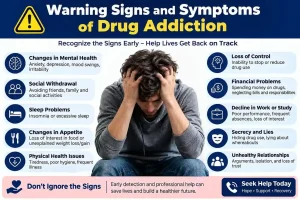
Symptoms of Alcohol Use Disorder
AUD symptoms can be different depending on how severe the disorder is. Doctors diagnose it by looking at certain behaviours and physical signs.
1. Behavioral Symptoms
- Drinking more or longer than intended
- Failed attempts to cut down
- Spending excessive time obtaining or recovering from alcohol
- Strong cravings
- Neglecting work, school, or family responsibilities
- Continuing to drink despite relationship problems
2. Physical Symptoms
- Increased tolerance (needing more alcohol to feel the same effect)
- Withdrawal symptoms when not drinking
- Shaking (tremors)
- Sweating
- Nausea or vomiting
- Anxiety or irritability
- Insomnia
Causes and Risk Factors of AUD
Alcohol use disorder happens because of a mix of biological, psychological, and social reasons.
1. Genetic Factors
Studies show that genetics can make someone more likely to develop an addiction. People with a family history of substance abuse are at higher risk.
2. Mental Health Disorders
Depression, anxiety, post-traumatic stress disorder (PTSD), and bipolar disorder all raise the risk of alcohol misuse. In Pakistan, mental health issues are often not diagnosed because of stigma.
3. Social and Environmental Stress
- Financial instability
- Domestic conflicts
- Academic pressure
- Workplace stress
- Exposure to trauma or violence
4. Early Exposure
People who start drinking alcohol at a young age are more likely to develop AUD as adults.
Health Risks of Alcohol Use Disorder
Drinking too much alcohol for a long time can seriously harm almost every organ in the body.
1. Liver Disease
Liver disease is one of the main reasons people die from alcohol use around the world. Chronic drinking may cause:
- Fatty liver
- Alcoholic hepatitis
- Cirrhosis (permanent liver damage)
2. Heart Problems
Heavy drinking can lead to:
- High blood pressure
- Cardiomyopathy
- Stroke
3. Brain and Mental Health Effects
- Memory loss
- Poor decision-making
- Depression
- Increased suicide risk
4. Cancer Risk
Alcohol raises the risk of several types of cancer, such as liver, throat, and esophageal cancer.
5. Family and Social Consequences
In Pakistan’s close families, addiction often impacts more than one generation.
- Domestic violence
- Financial instability
- Divorce
- Workplace job loss
- Legal problems
How Is Alcohol Use Disorder Diagnosed?
Doctors use DSM-5 guidelines to decide if AUD is mild, moderate, or severe. Diagnosis is typically done by a psychiatrist or addiction specialist through:
- Clinical interviews
- Screening questionnaires
- Physical examinations
- Blood tests to assess organ damage
Treatment Options for Alcohol Use Disorder in Pakistan
Alcohol use disorder can be treated. Getting help early makes recovery much more likely.
1. Medical Detoxification
For moderate to severe AUD, detoxification may be required. This process helps safely manage withdrawal symptoms under medical supervision.
Detox services are available at rehab centers or psychiatric hospitals in big cities like Lahore and Karachi.
2. Behavioral Therapies
CBT helps people notice what triggers their drinking and learn better ways to cope. Therapy is a core part of recovery. Common approaches include:
- Cognitive Behavioral Therapy (CBT)
- Motivational Enhancement Therapy
- Family counseling
- Group therapy
3. Medication-Assisted Treatment (MAT)
Some medicines can lower cravings or make drinking less enjoyable. Only a qualified doctor should prescribe and monitor these treatments.
4. Inpatient Rehabilitation Programs
Our alcohol rehab centers in Lahore offer confidential services to protect patient privacy. Inpatient rehab provides structured treatment, including:
- Medical supervision
- Counseling sessions
- Lifestyle restructuring
- Relapse prevention planning
5. Outpatient Programs
Outpatient treatment allows individuals to receive therapy while continuing daily activities. Outpatient programs work best for people with mild or moderate AUD.
Get Professional Help for Alcohol Use Disorder Today!

If you or someone you care about is struggling with alcohol use disorder, early help can make a big difference. Our alcohol rehab center in Lahore provides medically supervised detox, counseling, and ongoing recovery support.
✔ 24/7 Confidential Consultation
✔ Qualified Psychiatrists and Addiction Specialists
✔ Inpatient and Outpatient Programs
✔ Family Counseling Support
✔ Safe and Secure Treatment Environment
Recovery is possible. Help is available.
Types of Drugs Normally Addicts Use and Their Effects
Every person has a unique need
- Stimulants include cocaine, amphetamines, and certain prescription medications.
- Depressants: Alcohol, benzodiazepines, and sleeping pills fall into this category.
- Opioids include heroin, morphine, and prescription painkillers
The Role of Family in Recovery
Families need to know that addiction is a disease, not a sign of moral weakness. Family involvement is very important in Pakistani culture. Recovery is more successful when:
- Family members avoid blame or shame.
- Open communication is encouraged.
- Emotional support is consistent.
- Boundaries are clearly set.
Religious and Spiritual Support
For many people in Pakistan, spiritual guidance is an important part of recovery. Support from trusted religious leaders, along with medical treatment, can help people stay motivated to stop drinking. However, spiritual support should be used along with, not instead of, professional medical care.
Preventing Alcohol Use Disorde
Schools and colleges in cities like Lahore, Islamabad, and Karachi can play a key role in running awareness campaigns. Prevention strategies include:
- Early education about substance abuse
- Open discussions about mental health
- Stress management techniques
- Community awareness programs
- Strong parental supervision
When to Seek Help
Getting treatment early helps prevent serious health problems and makes recovery more likely. Seek immediate help if someone:
- Drinks daily or binge drinks regularly
- Experiences withdrawal symptoms
- Has liver problems
- Shows signs of depression or suicidal thoughts
- Cannot function without alcohol
Breaking the Stigma Around AUD in Pakistan
Stigma is one of the main reasons people in Pakistan do not seek treatment. Many people wrongly see addiction as a sin, crime, or weakness instead of a medical problem.
Raising public awareness, training healthcare workers, and having open conversations are all important for reducing stigma and helping people seek treatment.
Mental health awareness in Pakistan has grown in recent years, but more work is needed to make addiction treatment feel normal and accepted.
Long-Term Recovery and Relapse Prevention
Recovery is a lifelong journey. If someone relapses, it does not mean they have failed. It just means their treatment may need to change.
Key relapse prevention strategies include:
- Avoiding high-risk environments
- Building healthy routines
- Continuing therapy
- Practicing stress management
- Developing supportive social networks
Final Thoughts
Consistency and patience are critical for maintaining long-term sobriety. Staying sober for the long term takes patience and sticking with healthy habits. condition. In Pakistan, social stigma and legal restrictions frequently drive alcohol addiction into secrecy, hindering early intervention. Nevertheless, with appropriate medical care, therapy, family support, and community awareness, recovery remains achievable.
Getting professional help for alcohol problems is a positive and helpful step toward recovery, not a sign of weakness. Addiction does not define who you are. With the right support and treatment, people can rebuild their health, relationships, and future
FAQs
What are the stages of alcoholism?
Alcoholism (Alcohol Use Disorder) typically develops in stages:
- Early Stage (Pre-Alcoholic Stage)
- Middle Stage (Problem Drinking)
- Late Stage (Severe Dependence)
What's the difference between alcohol use disorder and alcoholism?
Alcohol use disorder happens when drinking leads to negative effects in someone’s life. Alcoholism, also called alcohol use disorder (AUD), is when a person becomes mentally or physically dependent on alcohol.
What are the types of alcohol disorders?
- Alcohol Use Disorder (AUD)
- Alcohol Intoxication
- Alcohol Withdrawal Syndrome
- Alcohol-Induced Mental Disorders
- Alcohol-Related Liver Disease (ARLD)
What are the personality traits of an alcoholic?
- Denial: Not admitting that drinking is a problem.
- Impulsivity: Acting without thinking about what might happen.
- Mood Swings: Having quick changes in emotions, like irritability or anger.
- Secretiveness: Keeping drinking habits hidden from family or friends.
- Blaming Others: Not taking responsibility for problems caused by drinking.
- Low Self-Esteem: Feeling guilty, ashamed, or worthless.
- Risk-Taking Behavior: Doing dangerous things while under the influence of alcohol.
Which diseases are linked to alcohol use?
- Alcohol use increases the risk of several cancers, such as liver, throat, esophageal, and breast cancer.
- Alcoholic cardiomyopathy.
- Pancreatitis.
- Wernicke–Korsakoff syndrome.
- Alcohol intoxication.
- Fetal alcohol spectrum disorder.