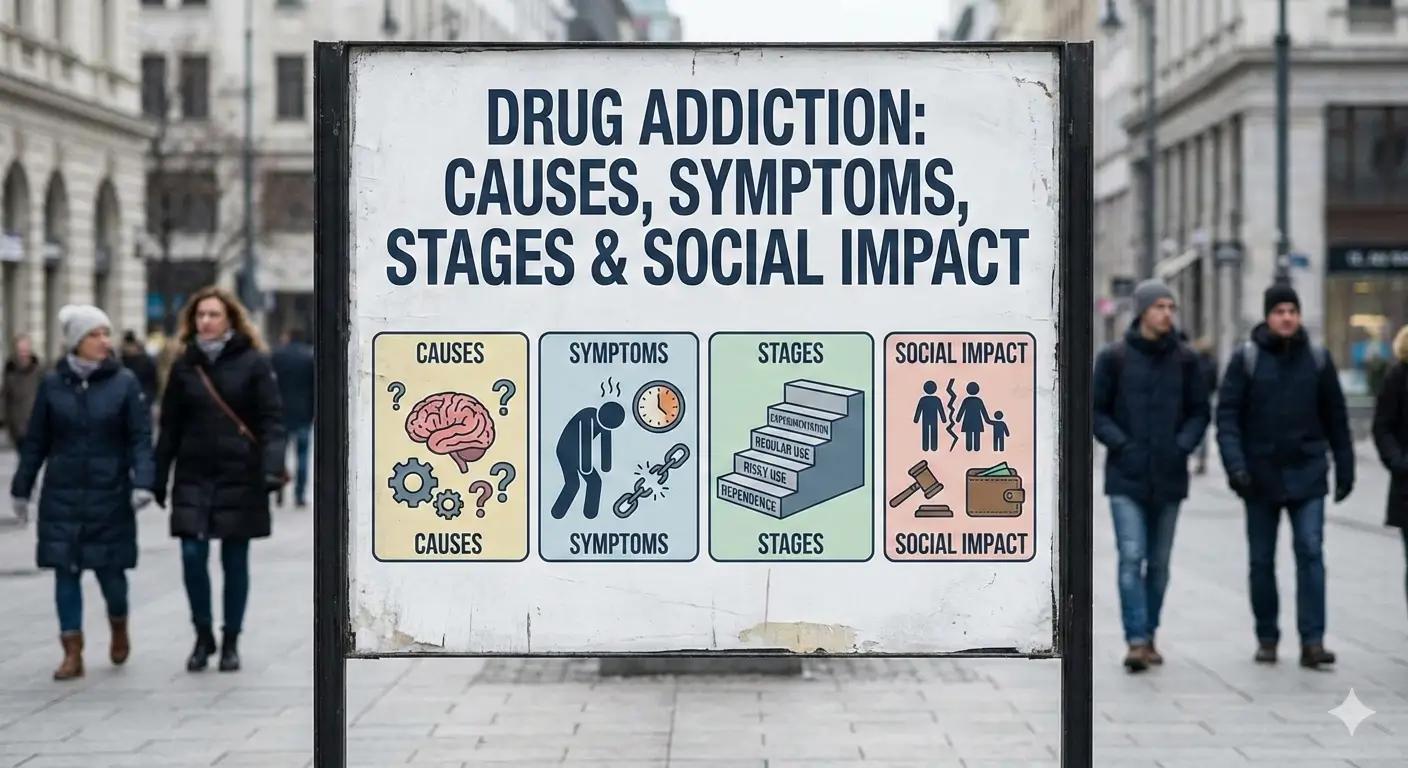
Millions of people around the world suffer from drug addiction, also called substance use disorder or drug abuse. It is a complicated but treatable condition. Drug addiction is a chronic brain illness. It makes someone use drugs frequently in spite of the negative effects they have. Addiction can result from repeated drug use that alters the brain. Drug addiction is regarded as a “relapsing” disease since the brain alterations caused by it can last a lifetime. This implies that even after years of abstinence, individuals in recovery are susceptible to reusing drugs. At BrightWay Rehab, we think that the first and most important step toward getting better is to understand drug addiction. This article will help you see drug addiction in a medical, caring, and hopeful way, whether you are struggling with it yourself, helping a loved one, or just learning.
Define Drug Addiction
A drug is a chemical substance apart from a nutrient or an essential dietary ingredient that, when taken into the body, changes how the body or mind works. Drug addiction is a chronic medical condition that changes how the brain works and affects quality of life, decision-making, impulse control, and emotional regulation. Most people don’t intend to become addicted. It usually starts out as a casual thing, like to relieve stress, make friends, or manage pain. But as people keep using drugs, their brains change, making it harder to stop without help from a professional.
Statistics on Drug Addiction in Pakistan
According to the most recent estimates, drug addiction in Pakistan has escalated to a critical level, with between 6.7 million and 8.9 million individuals currently using illegal drugs. About 2 to 4 million of these people are “dependent” or chronic addicts, which makes Pakistan one of the most drug-affected countries in the region. The situation is marked by a transition from conventional substances to synthetic drugs, an expanding treatment gap, and a considerable effect on the youth demographic.
1. Key Statistics (2024–2025 Context)
- Total Drug Users: ~6.7 to 8.9 million.
- Daily Deaths: An estimated 700 people die daily from drug-related complications, a figure significantly higher than deaths from terrorism in the country.
- Gender Breakdown: Usage remains male-dominated, with approximately 9% of the adult male population versus 2.9% of the adult female population using drugs.
- Age Factor: Over 70% of drug users are between the ages of 15 and 35.
2. Most Commonly Abused Substances
The types of drugs used vary by socio-economic status and region:
- Substance
- Status & Impact
- Cannabis (Hashish/Charas)
- Heroin
- Crystal Meth (“Ice”)
- Prescription Drugs
- Injecting Drugs
3. Emerging Trends in 2025
- Educational Institutions: It’s scary how many college and high school students are using synthetic drugs, especially “Ice.” Reports say that the main causes are stress from school and peer pressure.
- Urban vs. Rural: In rural areas, opium and hashish are still a problem, but in big cities like Karachi, Lahore, Peshawar, and Islamabad, “party drugs” like cocaine and ecstasy are becoming more popular among the upper-middle class.
4. Treatment and Rehabilitation Gap
Pakistan has a serious lack of recovery infrastructure, even though millions of people need help:
- Facilities: There are about 170 to 200 treatment centers in the United States. The Anti-Narcotics Force (ANF), on the other hand, only runs four Model Addiction Treatment & Rehabilitation Centers (MATRCs) in Islamabad, Karachi, Hyderabad, and Sukkur.
- The “Gap”: Experts estimate that less than 30,000 individuals receive professional assistance annually, leaving millions without access to medical or mental health care.
- Budget: The Narcotics Control Division’s federal budget for 2024–25 is still pretty small (about 169 million PKR) compared to the size of the problem.
5. Government Response
The government of Pakistan operates under the National Anti-Narcotics Policy 2019, focusing on:
- Supply Reduction: More border patrols and a 32-agency Inter-Agency Task Force (IATF) to stop trafficking.
- Demand Reduction: Public awareness campaigns and the National Drug Use Survey 2022–2024, which aims to gather more up-to-date scientific data to better target interventions.
Stages of Drug Addiction
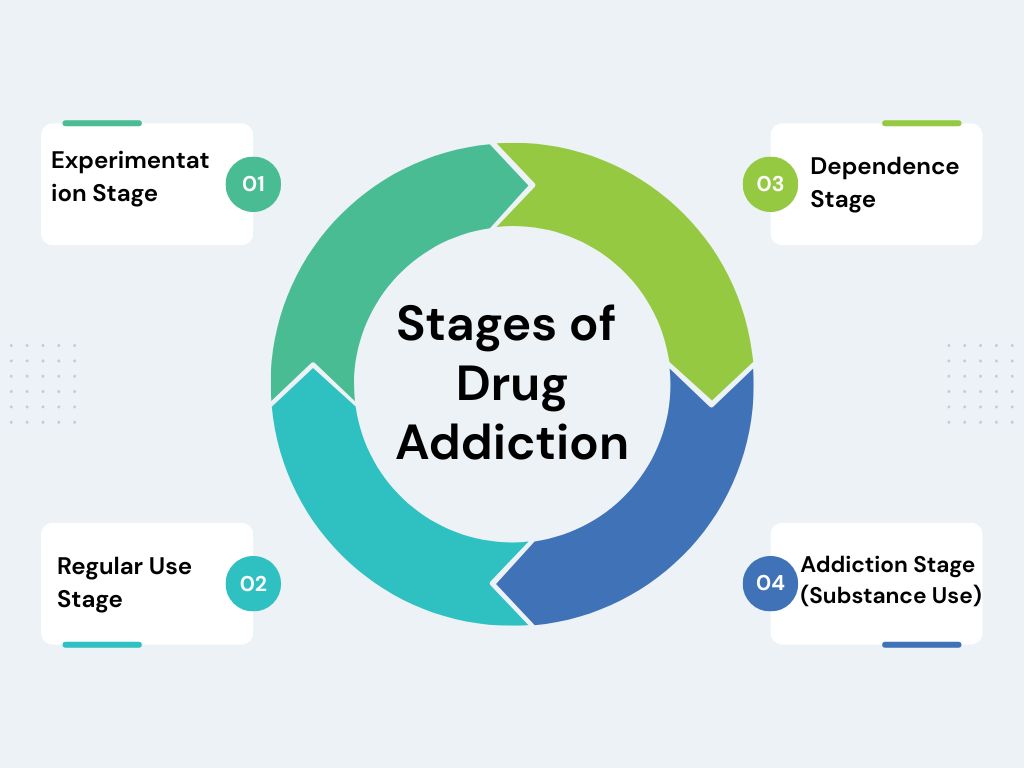
There are four stages of drug addiction.
- Experimentation Stage: Drugs may be tried for curiosity, peer pressure, or stress relief.
- Regular Use Stage: As tolerance develops, higher doses are needed to achieve the same effect.
- Dependence Stage: It occurs when the body and mind need the drug to function.
- Addiction Stage (Substance Use): At this stage, drug use becomes compulsive and uncontrollable.
Types of Drugs Normally Addicts Use and Their Effects
Every person has a unique need
- Stimulants include cocaine, amphetamines, and certain prescription medications.
- Depressants: Alcohol, benzodiazepines, and sleeping pills fall into this category.
- Opioids include heroin, morphine, and prescription painkillers
Short-Term and Long-Term Effects
Short-term effects may include:
- Euphoria
- Poor judgment
- Increased risk-taking
Long-term effects often involve:
- Organ damage
- Memory loss
- Mental health disorders
- Relationship breakdowns
Causes of Drug Addiction
Biological Factors
- Family history of addiction
- Brain chemistry and genetics
- Early exposure to substances
Psychological Factors
- Trauma or abuse
- Anxiety and depression
- Low self-esteem
Social and Environmental Factors
- Peer pressure
- Stressful living conditions
- Easy access to drugs
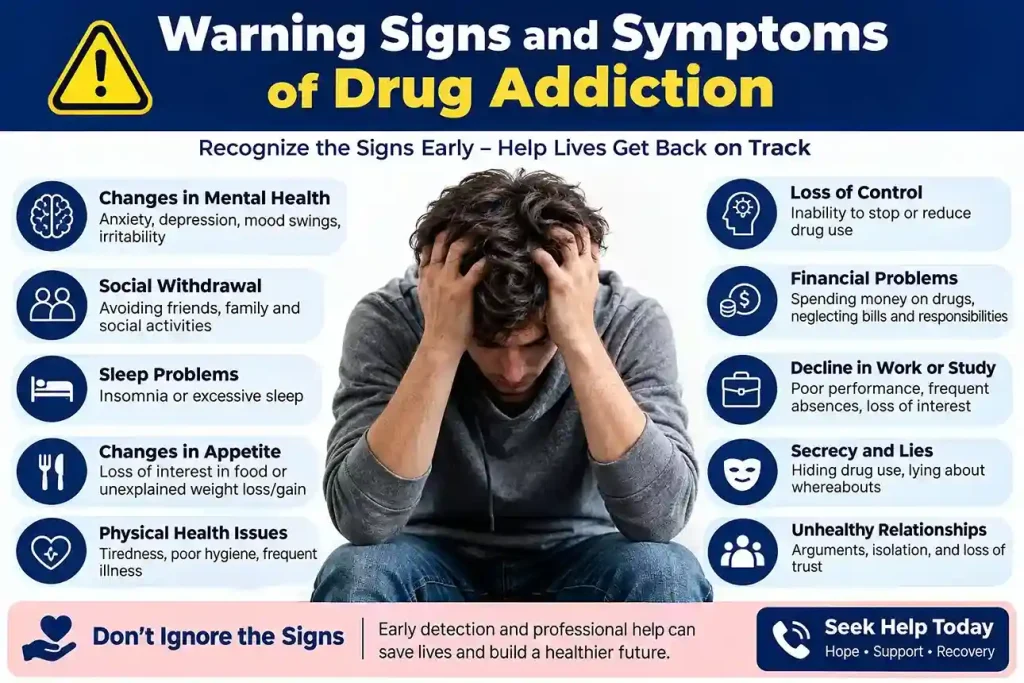
Signs and Symptoms of Drug Addiction
Physical Symptoms
- Sudden weight loss or gain,
- Bloodshot eyes,
- Poor hygiene,
- Frequent nosebleeds,
- Tremors, and Unusual sleep patterns
Behavioral and Emotional Symptoms
- Neglecting responsibilities,
- Poor performance at work or school,
- Secrecy,
- Lying,
- Stealing, or
- Sudden changes in social circles
Psychological Signs
- Mood swings,
- Irritability,
- Anxiety,
- Paranoia,
- Depression,
- Lack of motivation, and
- In severe cases, individuals may notice hallucinations, delusions, or suicidal thoughts.
The impacts of Drug Addiction on Individuals, Families, and Society
Drug addiction affects far more than just the individual.
- Individuals: People’s life expectancy decreases, their financial situation deteriorates, they face legal issues, and their physical and mental health deteriorates. Many people lose their sense of value and purpose.
- Families: They experience a tremendous deal of stress, emotional suffering, betrayal, and financial difficulties. Children who live with drug addicts are more likely to experience future abuse, neglect, or drug use.
- Society: Increased crime, unemployment, higher healthcare costs, and lower productivity all have an impact on society. Addiction in Pakistan slows down the nation’s progress by placing a great deal of strain on social services, law enforcement, and healthcare systems.
Drug Addiction Treatment in Pakistan
At our drug rehab center, we provide the best drug addiction treatment in Pakistan, a compassionate and evidence-based approach to recovery, including:
- Medically supervised detoxification
- Individual and group counseling
- Cognitive behavioral therapy (CBT)
- Dual diagnosis treatment
- Family counseling and support
- Relapse prevention planning
- Aftercare and follow-up programs
Difference Between Substance Use, Drug Abuse, and Drug Addiction
Term | Explanation |
Substance Use | The occasional or prescribed use of substances does not cause major harm. |
Drug Abuse | Risky use causes problems at work, at home, or with health. |
Drug Addiction | Drug addiction is characterized by a loss of control, cravings, and continued use despite harm. |
Summary
Drug addiction is a severe and complex issue that calls for understanding, empathy, and successful treatment. The first step to prevention and recovery is to comprehend its causes, symptoms, stages, and effects. Addicts can regain control of their lives with the right education, early detection, family support, and professional treatment. To create a society that is healthier and more resilient, combating drug addiction requires both individual and group efforts.
FAQs
What is a drug?
A drug is any chemical substance that changes how the body or mind works when it is taken in, except for nutrients or necessary dietary ingredients.
What is the most addictive drug in the world?
There is no single “most addictive” drug because addiction is measured in different ways; generally, heroin and nicotine are the top contenders.
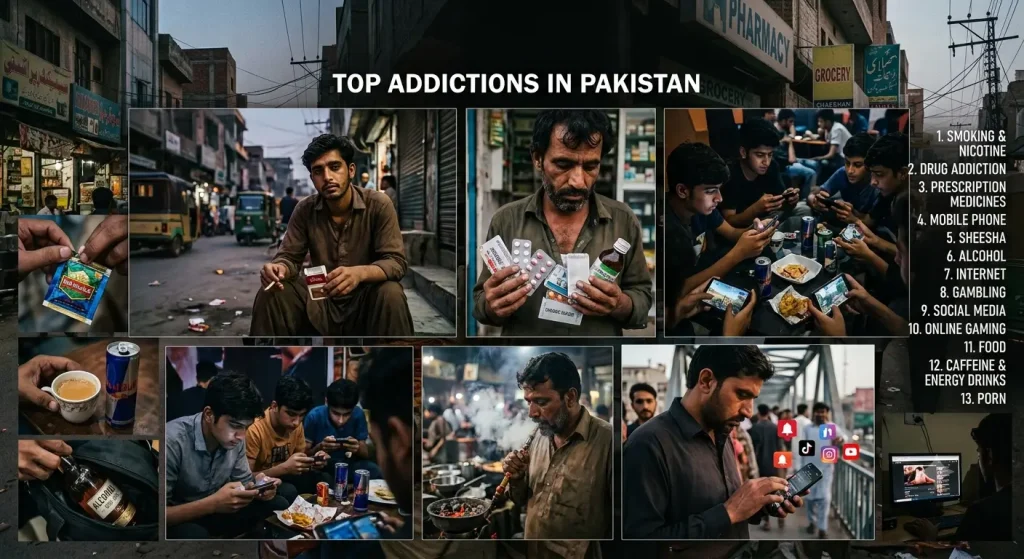
What are the most common drugs abused in Pakistan?
Commonly abused substances in Pakistan include heroin, cannabis, crystal meth, alcohol, and prescription medications.
Can drug addiction be treated?
Yes, drug addiction is treatable through detoxification, counseling, behavioral therapy, and rehabilitation programs. Early treatment leads to better recovery outcomes.
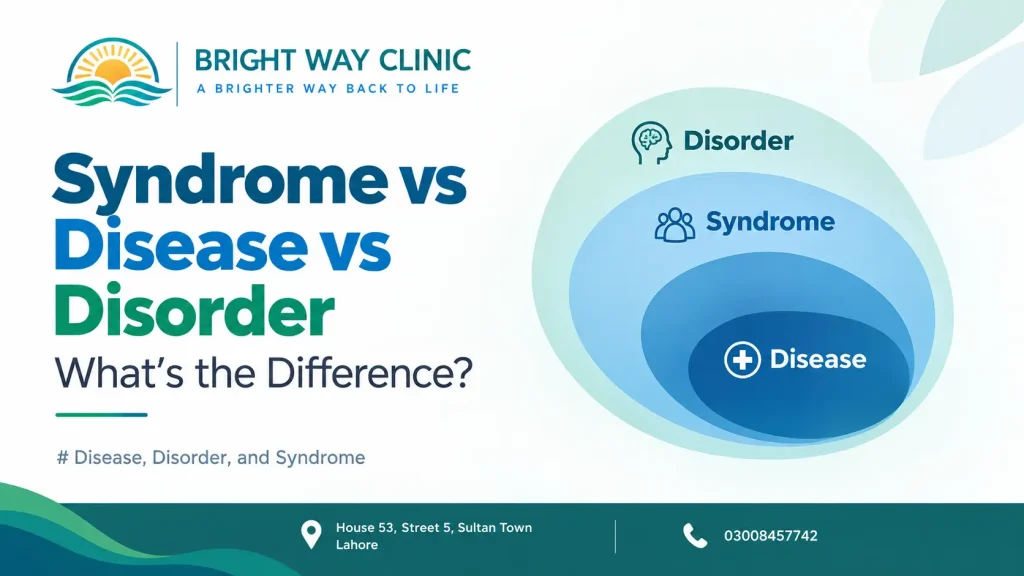
Is drug addiction a disease?
Yes, drug addiction is a chronic medical condition that affects brain function and behavior. It requires professional treatment and long-term support.